Mattress toppers enhance comfort and support by adding a cushioned layer between the sleeper and the mattress. They can modify sleeping surfaces to reduce pressure points, improve contouring, and extend the life of an existing bed. When selecting a topper, consider materials, thickness, and filling to match desired firmness and temperature regulation.
Among common options, down featherbeds provide a plush, airy loft that adapts to body weight while maintaining a lightweight feel. They deliver soft cushioning without sacrificing stability, making them a popular choice for guests, unusual sleep styles, or seasonal temperature adjustments. Proper care helps maintain loft and longevity over time.
Key features to evaluate include fill power, fill weight, and fabric shell quality. Down featherbeds typically offer high warmth-to-weight efficiency and responsive loft. Hypoallergenic alternatives or blend fillings may be suitable for sensitive sleepers, while durable, breathable shells help regulate microclimate during sleep.
Functional benefits of a high-quality mattress topper include improved spinal alignment, pressure relief at hips and shoulders, and a customizable sleeping surface across different bed bases, including platform bed frames. Layering a topper can fine-tune firmness, sleeper position, and overall comfort without replacing the mattress itself.
In considering bedding options such as down featherbeds or other topper materials, evaluate compatibility with existing sheets and duvet covers, as well as maintenance requirements. Understanding how toppers influence heat retention, moisture management, and motion isolation can guide selection for consistent sleep quality across various bedrooms and furniture setups.
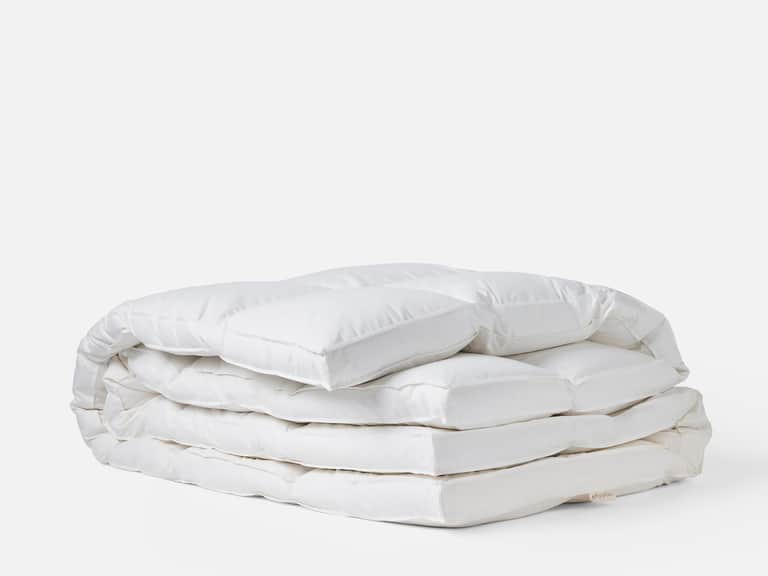 Mattress Toppers