How to Choose Linen Bedding: A Practical Guide for Homes and Hospitality
Linen bedding stands at the intersection of tactile luxury, everyday durability, and thoughtful care. In a marketplace crowded with textiles, the decision to choose linen is a decision to invest in a sleep experience that improves with time. This guide synthesizes the science of fibers, the craft of weaving, and the lived realities of homes and hospitality—where sheets, duvet covers, and fitted sheets must perform, endure, and age gracefully.
1) The Linen Advantage: Why Linen Reaches for Sleep
Linen is more than a fabric; it is a memory of harvest and craft. Originating from flax, linen fibers are celebrated for breathability, moisture management, and a hand that softens with use. Its natural texture, subtle irregularities, and a drape that adjusts to temperature make linen bedding uniquely responsive to the rhythms of the body. In warm climates, linen's breathability and moisture-wicking properties help keep sleep surfaces cool. In cooler seasons, its textured surface retains a comforting warmth without the heaviness of some fibers.
The biology of linen begins with the flax plant. Flax fibers are hollow and highly absorbent, allowing air to circulate and moisture to move away from the skin. This translates to a cooling effect during the night and a dry sensation that many sleepers associate with a fresher bed. The looser weave often found in linen sheets contributes to a matte, relaxed hand that improves with every wash, rather than a slick, uniform texture.
The ethical and ecological dimensions of linen are compelling. Linen can be produced with a relatively low environmental footprint when grown and processed in certified facilities. Brands that emphasize sustainability frequently highlight GOTS certification or similar standards to verify organic fiber sourcing and responsible processing.
2) Material Quality: What to Look For
When evaluating linen bedding, you’ll encounter several decision points: fiber origin, weave style, weight, finish, and care requirements. Each factor shapes how linen will perform in daily life.
- Fiber origin: The best linen starts with high-quality flax grown in regions known for fiber excellence. Look for linens where the fiber is said to be linen from France or similar high-quality flax origins, then woven in a reputable mill.
- Weave and finish: Linen can be woven in plain weave or other simple structures. The weave influences texture and drape; plain weave linen tends to have a crisp, breathable surface that softens over time. Finishes, such as stone washing or plant-based softeners, affect hand feel and ease of care.
- Weight and density: Linen weight is typically described in grams per square meter (gsm) or momme equivalents. For sheets and duvet covers, a mid-weight linen often balances cooling properties with durability.
- Care and longevity: Linen loves regular laundering. Following recommended care—gentle cycles, cooler washes, and avoiding harsh chemicals—helps linen resist pilling and maintains color. Expect linen to slowly soften while retaining structure and breathability.
3) How to Choose by Category: Bedding, Sheets, Duvet Covers
A practical approach to linen starts with the category. Each subset—bedding sets, sheets, duvet covers—has distinct expectations for feel, durability, and care.
Bedding Sets (Duvet Covers and Shams)
Duvet covers in linen deliver a cool, tactile surface that remains visually calm and texturally interesting. The texture of linen under a duvet cover contributes to the room’s atmosphere and can elevate color and pattern play without overpowering the space. Look for duvet covers with a clean finish, reinforced seams, and a textile marriage with the insert you choose.
Sheets
Linen sheets present a softer, more relaxed hand as they age. They are often lighter and cooler than their cotton counterparts and may require some patience as they break in. Expect a certain level of wrinkling that many sleepers embrace for its natural, lived-in appeal.
Fitted Sheets
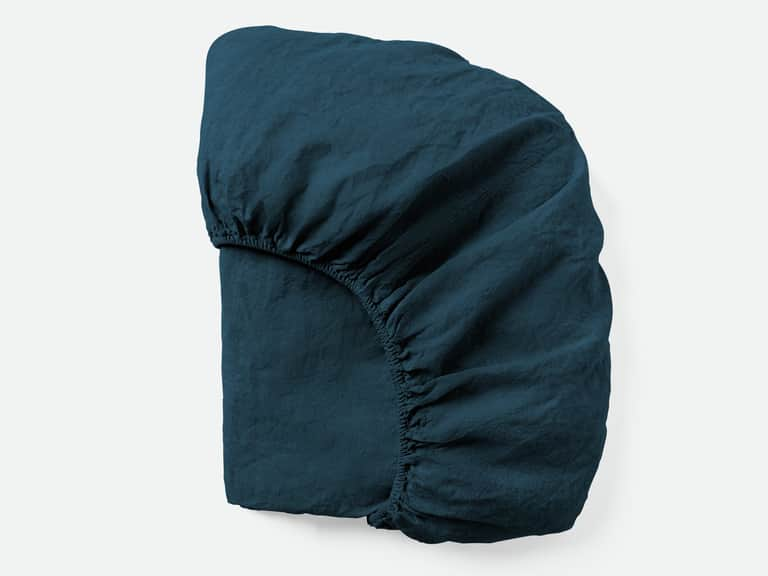
Fitted linen sheets should feature deep pockets and strong elastic to stay secure on the mattress. The goal is a snug, durable fit that supports the sleeping surface’s breathability.
4) Hospitality and Home: A Shared Standard
The hospitality sector values textiles that combine comfort, durability, and ease of maintenance. Linen bedding in hotels, inns, and lodges is often chosen for its ability to withstand frequent washing and its timeless aesthetic. The balance between luxury and practicality is achieved through careful selection of fiber origin, finishes, and laundering protocols.
In homes, linen bedding offers a similar balance but with a personal dimension. The texture invites touch, temperature regulation supports sleep across seasons, and the fabric’s aging process can become a signature of your space rather than a defect to be hidden.
5) Three Time-Period Profiles: Voices from the Textile World
Across centuries, textile wisdom has traveled through hands, workshops, and ateliers. Here, we hear from three pivotal figures whose ideas echo in today’s linen bedding decisions.
1) Emily Carr (1871–1945) – A Painter of Textural Light
British-Colonial/Canadian landscape painter who, though not a textile artisan, illuminates the spirit of linen in her era—where natural dyes, unembellished textures, and a connection to landscapes inform a design sensibility that values simplicity and honesty in material surfaces.
Takeaway: Linen’s natural texture and unadorned finish echo a design ethos that favors authenticity and a quiet, visual warmth—an approach that translates to modern hospitality textiles that emphasize durability and timeless tone.
2) Leonardo da Vinci (1452–1519) – Master of Proportion
Renaissance polymath whose insistence on proportion, structure, and proportionate detail inspires contemporary textile design that values precise stitching, balanced textures, and the mathematical beauty of fabric weaves.
Takeaway: Linen’s integrity benefits from thoughtful construction: even, reinforced seams and measured finishes align with a Renaissance appreciation for order and craft.
3) Marie Curie (1867–1934) – Experimenter in Materials
Pioneer in science who valued rigorous testing of materials. Her spirit resonates in the modern approach to textiles: evaluating fiber properties, environmental considerations, and performance through careful observation and documentation.
Takeaway: The care and testing behind linen fibers—durability, colorfastness, and washability—mirror Curie’s meticulous ethos for objective evaluation in bedding choices.
6) A Practical, Brand-Aware Framework
In real-world settings, the best linen bedding is supported by a framework that integrates material knowledge, care instructions, and consumer intention. Brands that consistently translate flax-derived linen into durable, breathable, and easy-care products enable a smoother experience for both homes and hospitality programs.
For hospitality operators and design-minded homeowners, the goal is to choose linen products that balance texture, durability, and care. This requires evaluating fiber origin, weave, weight, finishing process, and the brand’s stated care guidelines. It also means recognizing that linen will soften and evolve with each wash, gradually revealing a personalized relationship with your sleep space.
7) A Quick Quick-Start Guide to Linen Bedding Selection
- Define your climate and laundry routine: If you wash frequently and prefer cooler sleep surfaces, linen is well-suited to your needs.
- Choose fiber origin and weave: Look for linen sourced from reputable flax growers and mills with a transparent supply chain. A plain weave offers a crisp, breathable surface; other finishes affect texture and sheen.
- Consider weight and feel: A mid-weight linen balances cooling and durability. Finishes like stone washing can enhance softness from the start.
- Assess care requirements: Read care labels; avoid harsh bleaching and high heat that may degrade fibers over time. Follow manufacturer guidance for longevity.
- Plan for hospitality-grade performance: If textiles must endure frequent laundering, prioritize fabrics with reinforced seams, secure closures, and colorfast finishes that resist fading.
8) Product Spotlight: An Entry Point into Linen Luxury
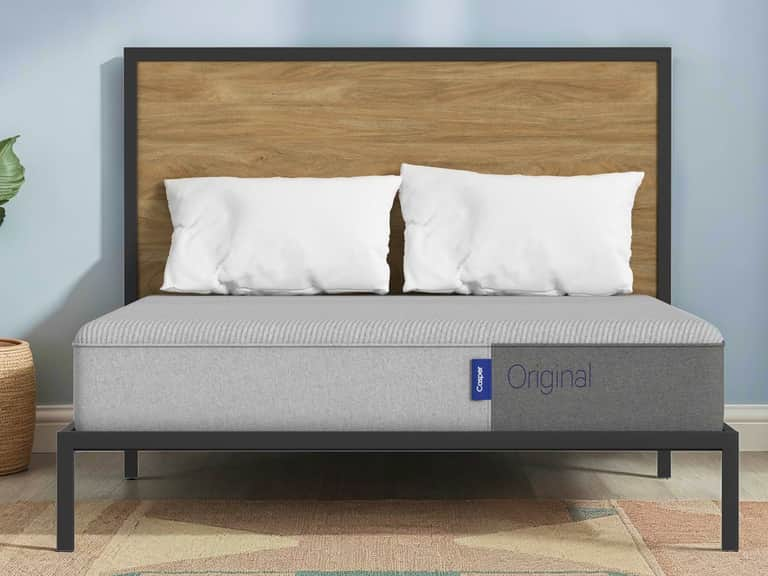
To illustrate the practical edge of linen bedding, consider a curated example that sits at the intersection of texture, durability, and care. The Original Mattress, while not a linen product, represents the broader bedding ecosystem in which linen components live. Its design emphasizes airflow, ergonomic support, and long-term comfort—concepts that harmonize with linen’s breathability and cool-hand feel. In a hospitality setting, a bedroom that pairs linen bedding with an adaptable mattress like the Original Mattress can create a sleep environment that remains comfortable across seasons and guest preferences.
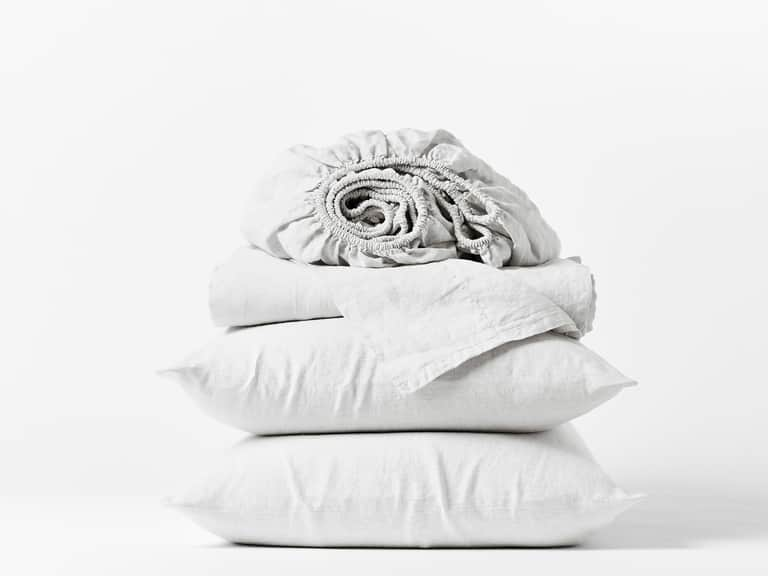
Organic Relaxed Linen Sheet Set (Coyuchi)
GOTS-certified organic flax linen; French flax grown; woven in Portugal
A breathable, temperature-regulating sheet set with a relaxed, lived-in feel. The 15-inch deep pocket fitted sheet and pick-stitch cuffs offer dependable fit and quiet sophistication for any bedroom.
Price: Included in product listing
Layla Linen Sheet Set (Downtown Company)
Woven in Portugal; flax linen; single hemstitch detail
A clean, versatile foundation for modern interiors, designed to soften quickly while offering long-lasting strength and breathability.
Accompany these sheets with a linen duvet cover that echoes the bed’s color story. The interplay of textures—crisp linen against a duvet insert—creates a layered, inviting bed that remains easy to maintain and visually serene.
9) A Concise Brand-Driven Content Plan
To support Direction B’s emphasis on home linen education, a content calendar can anchor your editorial strategy. Here is a sample of the first 8–12 articles:
- How Linen Differs from Other Natural Fibers: Breathability, Texture, and Care
- How to Choose Linen Bedding: A Room-by-Room Guide
- Understanding Linen Weaves: Plain Weave, Hemstitch, and Subtle Textures
- Care Guides for Linen Bedding: Washing, Drying, and Ironing Tips
- Linen for Hospitality: Durability, Colorfastness, and Laundering Protocols
- Texture and Mood: Styling Linen Bedding with Color and Pattern
- Historical Notes: Linen’s Role in Design Through the Ages
- Expert Interviews: Care and Maintenance from Textile Specialists
10) A Call to Action for Readers
If you are a homeowner, innkeeper, or interior designer, consider linen bedding not merely as a product category but as a design philosophy: an invitation to slow, thoughtful sleep. The right linen bedding—selected with attention to fiber origin, weave, weight, and care—can become a quiet, enduring element of your rooms. It is in this intersection of fabric science, human comfort, and editorial storytelling that a site like CustomFineLinens.com can become a trusted resource for homes and hospitality alike.
11) A Final Note on the 3-Category Lens
This guide has walked through a practical framework for selecting linen bedding, with a nod to educational and hospitality contexts. Whether your goal is to create a serene personal retreat or to outfit a boutique hotel with linen-backed luxury, the emphasis remains the same: prioritize the fiber’s origin, the weave’s texture, the finish’s feel, and the care that sustains both—so that linen bedding remains a durable, joyful part of everyday life.