Foam mattresses are designed to provide a balanced blend of support and pressure relief, making them a popular choice for varied sleep preferences. The category includes products like the Original Mattress and Element Mattress, each engineered with multi-layer foam systems to optimize contouring, spinal alignment, and motion isolation. Understanding foam density, layering, and firmness helps illuminate how these mattresses adapt to different sleeping positions and body types.
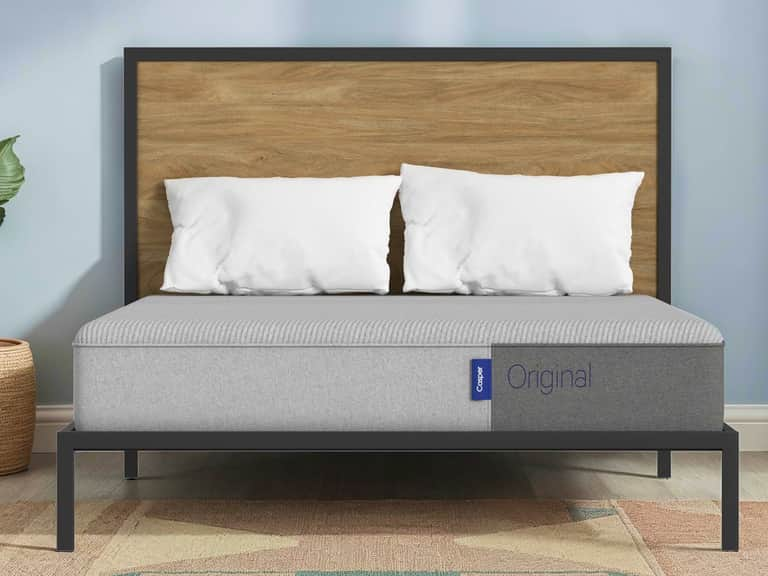
Original Mattress emphasizes zone-based support and high resilience foam to maintain contour integrity over time. Its construction typically features a top comfort layer for initial softness, followed by transition foams that ease into a firmer base. This arrangement supports even weight distribution while reducing common pressure points at the shoulders and hips.
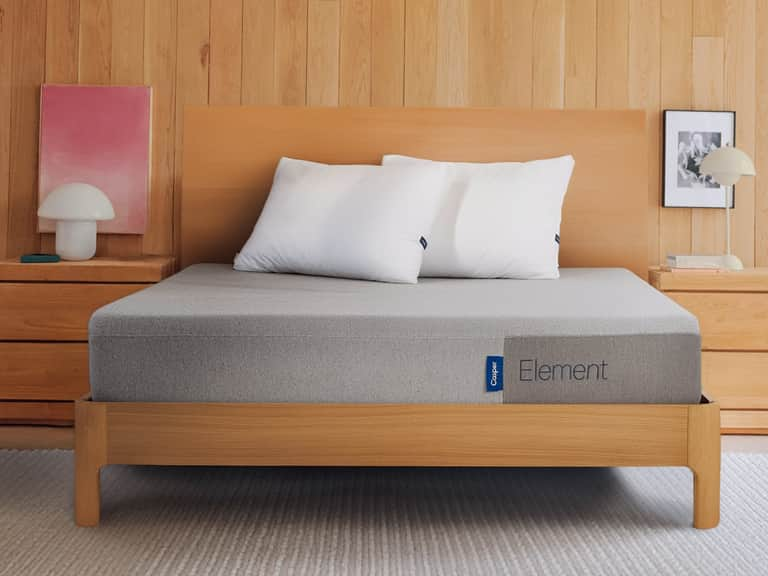
Element Mattress is designed with a focus on cooling dynamics and adaptive comfort. Incorporating breathable foam, heat-dissipating infusions, and a responsive to medium-firm feel, it aims to minimize heat buildup and maintain a stable sleep surface. The foam architecture promotes easy repositioning without sacrificing spinal alignment.
When evaluating foam mattresses, key features include density, memory-foam components, and edge support. High-density foams tend to sustain durability and minimize sag, while memory elements enhance body contouring for targeted pressure relief. Edge reinforcement can expand usable sleep surface and provide steadier sit-to-stand transitions.
Useful applications span various bedding configurations, including compatibility with platform bed frames and layered sheets, duvet covers, and other bedroom textiles. By understanding how foam mattresses interact with foundations, toppers, and breathable covers, sleepers can select configurations that optimize overall comfort, temperature regulation, and long-term resilience.
 Mattresses