Pillows support the head and neck during rest, while pillowcases provide a removable fabric layer around the pillow. Together, they contribute to a comfortable sleep surface and help keep bedding organized. Choosing suitable pillow dimensions and materials can improve fit, feel, and compatibility with sheets and duvet covers.
Pillow characteristics vary by fill, firmness, loft, and shape. These factors affect how a pillow feels and the level of support it provides for different sleeping positions. A well-fitting pillowcase should accommodate the pillow without excessive slack or strain, helping maintain a neat appearance and reducing friction against the fabric.
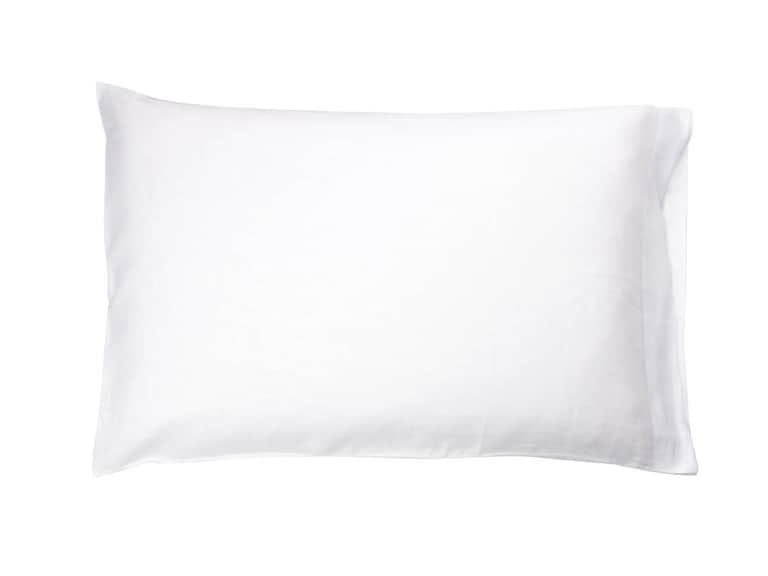
The Classics Geneva Pillow-case is a named bedding item intended to cover a pillow. Its practical role is to provide a fabric barrier between the pillow and everyday contact, while forming part of a coordinated bed linen arrangement. The product name identifies the style, but specific material, dimensions, and care details should be checked on its product information.
For a comfortable bedding setup, consider how pillows and pillowcases work with sheets, duvet covers, and the overall bedroom furnishings. Consistent sizing helps prevent bunching, while coordinating colors or patterns can create a more unified look. Regularly changing and caring for pillowcases also supports routine bedding hygiene and keeps the sleep surface fresh.
When comparing pillows, assess support needs, preferred sleeping position, and available pillowcase measurements. Fabric texture and construction can influence softness, breathability, and durability, although exact properties depend on the individual item. These considerations help clarify how pillows fit into bedding choices and relate to other bedroom furniture and linens.
 Bedding